WEB & GROWTH · WEB DESIGN
Web Design in Dresden. Clear structure, sound technology.
I plan and build business websites around your audience, content and page structure, then develop the design and technical implementation. Responsive layouts, semantic HTML and a sound technical SEO foundation are part of that work. You work directly with me, Scott Nowak.
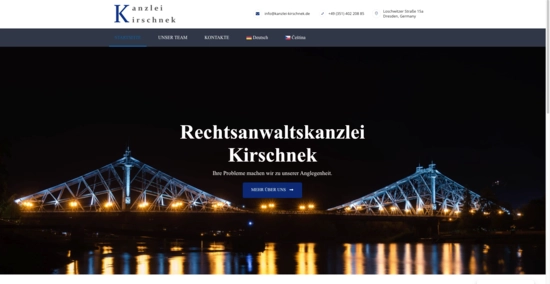
When a new website makes sense
Mobile visitors face unnecessary friction
Slow loading and layouts that do not adapt to smaller screens make your offer harder to access.
The technical foundation hides content
When content appears only after JavaScript runs, search engines may receive incomplete pages.
The website feels interchangeable
Design and contact paths do not clearly communicate what your business offers or what visitors can do next.
Content and structure have grown apart
Additional pages and topics have made the website harder to navigate over time.
A clear path through your offer
Good web design connects content, visual design and implementation. The page structure answers your audience’s questions, while the interface makes information accessible and contact paths clear. Semantic HTML and responsive implementation give that structure a technical foundation.
Understand
Explain the offer and content clearly.
Navigate
Align pages, navigation and hierarchy.
Act
Make the relevant next step visible.
What the website project includes
The scope depends on your existing website, required content and technical environment. These areas form part of the existing web design service:
Strategy & Structure
- Review goals, audience, search terms and the existing website.
- Develop the sitemap, wireframes, content model and design direction.
Design & User Experience
- Design mobile-first layouts with appropriate breakpoints.
- Build a consistent design system for colours, typography and spacing.
Technical Implementation
- Implement semantic HTML and CSS, with static or prerendered content.
- Optionally connect a headless CMS or maintain content directly in the repository.
Content & Visibility
- Make content accessible through a clear page and heading structure.
- Provide crawlable pages as a foundation for search engines.
Quality & Operations
- Agree a performance budget and review loading behaviour.
- Plan browser and accessibility checks, deployment with redirects, maintenance and monitoring.
From the initial audit to ongoing improvement
Analysis
Review goals, audience, search terms, competitors and technical constraints against the existing website.
Planning
The sitemap, wireframes and content model establish the structure and inform the design direction.
Design & Build
The design system becomes individual pages and their technical implementation in HTML and CSS.
QA & Launch
Performance, accessibility and presentation across browsers are checked. Redirects form part of deployment.
Operations
Updates, monitoring and performance reports support continued improvement.
A website as the foundation for visibility
Page structure and technical SEO foundations are planned within the website project. Further search engine optimisation, content strategy and campaigns belong to a separate service. The competence hub explains how these activities connect with the website.
Project Evidence / Schwimmkanal.ch
Schwimmkanal.ch: make the website reliable first
Recurring technical faults and an unreliable booking journey held back customer acquisition. The existing project stabilised the technical foundation, structured landing pages and established measurement through to booking. Campaign work followed.
approx. 1.500 CHF → 15.000+ CHF
Monthly revenue attributed to the website in the Schwimmkanal project.
This is a project-specific result combining web development, troubleshooting, structure, tracking and campaigns. It does not represent a general effect of web design or a promise for other projects.
Read the Full Case Study →
Design needs a sound technical foundation
- Rendering & Search Engines
- Static HTML or prerendering delivers actual page content instead of an empty application shell. Content delivery is reviewed after launch.
- CMS & Editorial Workflows
- A headless CMS or a Git-based workflow can support your editorial team. Training and maintenance documentation are part of the existing service description.
- WordPress When Appropriate
- WordPress is available on request, rather than being the default for every project. It is an option when the editorial team needs a conventional backend.
- Responsive, Accessible, Measurable
- Breakpoints, heading hierarchy, landmarks and ARIA are considered. LCP, INP and CLS inform performance checks; specific PageSpeed or Core Web Vitals scores are not guaranteed.
Technologies Already Described
HTML5, CSS3 and TypeScript, with Astro, Next.js or Eleventy and Tailwind CSS depending on the implementation. GSAP is listed as an animation tool in the existing service description. The choice depends on the project.
Build a new website or improve the existing one
Website or Relaunch
Analysis, planning, design and implementation form one connected project. Existing content and technical constraints provide the starting point.
Ongoing Improvement
The existing maintenance package includes updates, monitoring, performance reports and continuous improvement. Its scope and the next development step depend on your actual needs.
Questions about scope, technology and collaboration
How much does a professional website in Dresden cost?
A focused marketing website with 5–8 pages typically starts at €4,500. More complex projects with a CMS, multiple languages and custom integrations usually range from €9,000 to €25,000. You receive a binding fixed-price quote after the concept workshop.
Do you use WordPress?
On request, yes, but not by default. For marketing sites, we recommend static HTML or a static site generator such as Astro or Eleventy: it can be faster, more secure and easier to crawl. We use WordPress when the editorial team needs a conventional backend.
How long does implementation take?
Typically 6 to 10 weeks from the concept to launch. Relaunches with existing content can take 4 weeks, while highly customised platforms require 12 weeks or more.
Is the website genuinely crawlable?
Yes. We deliver static HTML or prerendering so that every route contains real content in its source. After launch, we check this with Search Console, “curl -sL” and a test with rendering blocked to ensure Google can see the content.
Can we maintain the content ourselves?
Yes — using a headless CMS such as Storyblok or Sanity, or a simple Git-based workflow. We train your team and provide maintenance documentation.
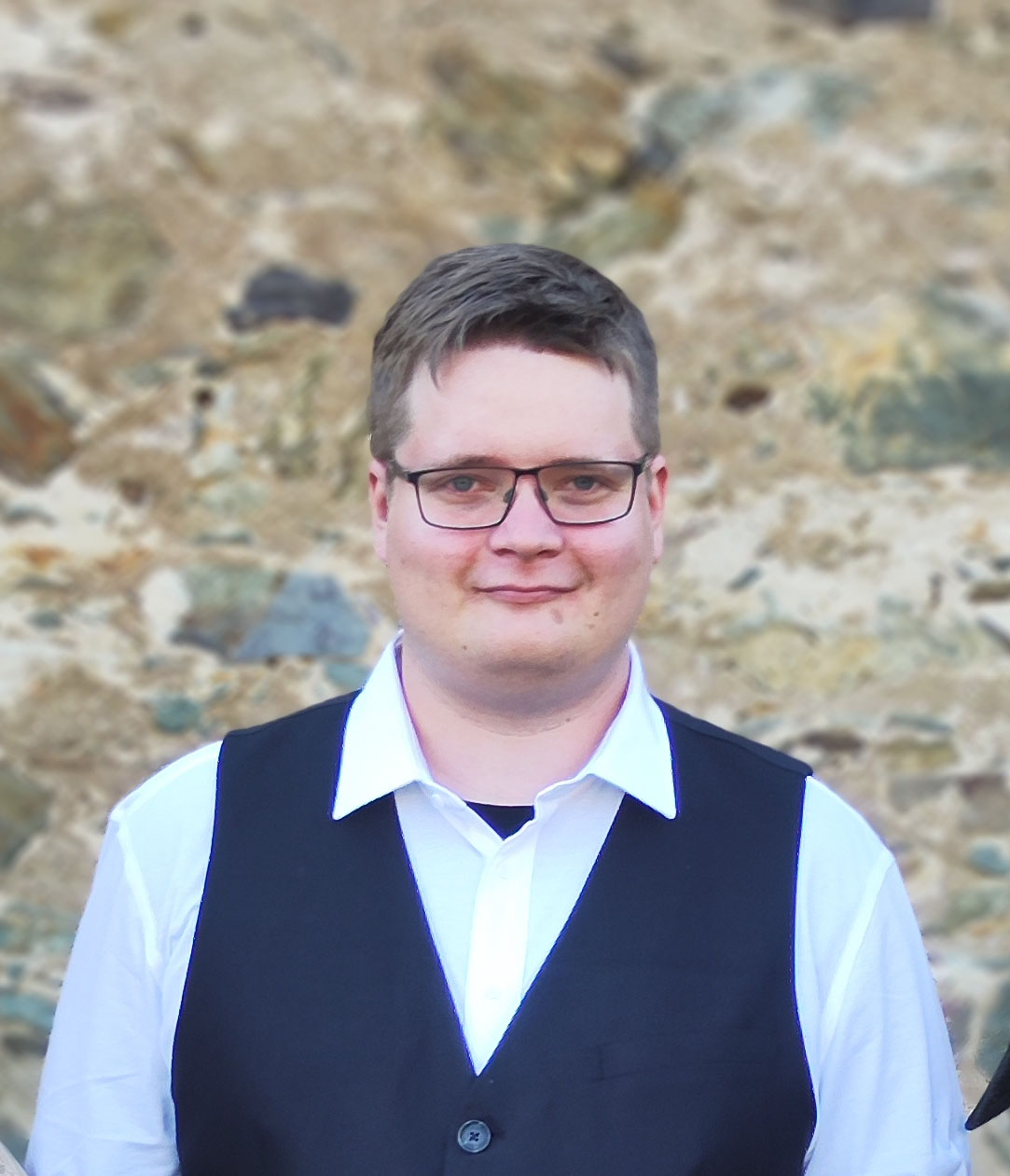
Scott Nowak. Direct collaboration on your website.
I work with you on the requirements and technical implementation of your website. We discuss content, structure and the appropriate technical foundation directly, from the initial concept to ongoing development.
More About Scott →Should your website do more than look good?
Describe your current website, your offer and the next step. The project brief lets you share the starting point and existing supporting materials.
Would you like to speak first? →